1. Product Overview
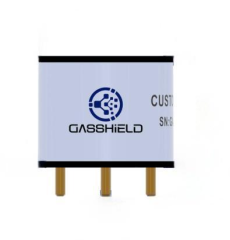
The GASSHIELD UGT-E4-O3 is a high-performance fixed-potential electrolytic (electrochemical) ozone gas sensor designed for accurate and reliable detection of ozone (O₃) in high-concentration industrial applications. Utilizing a three-electrode electrochemical cell architecture, the sensor delivers a detection range of 0–500 ppm with 1 ppm resolution and a sensitivity of −60 ± 20 nA/ppm. With T90 < 60 s response time, excellent repeatability (2% of output signal), and long-term stability of <2% signal per month, the UGT-E4-O3 provides precise O₃ monitoring for high-concentration, safety-critical environments.
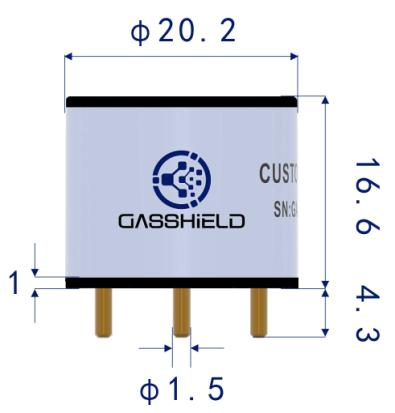
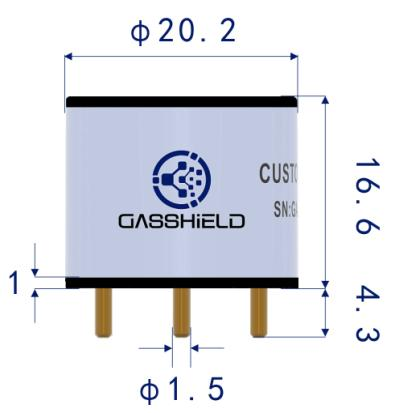
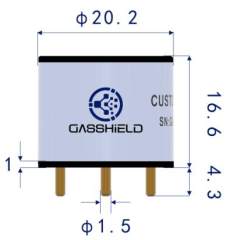
The sensor operates without bias voltage and supports a load resistance range of 5–30 Ω, simplifying circuit design integration. Housed in a compact Φ20.2 mm form factor, the UGT-E4-O3 is ideal for integration into industrial ozone generators, high-concentration ozonation systems, semiconductor cleaning equipment, water treatment plants and process control instruments where high-range ozone concentration measurement and leak detection are required.
2. Technical Principle
The UGT-E4-O3 employs a fixed-potential electrolytic (electrochemical three-electrode) detection principle. The sensor cell consists of a working electrode, a counter electrode, and a reference electrode immersed in an electrolyte solution separated from the ambient atmosphere by a gas-permeable membrane. Through electronic circuitry, the working electrode and the reference electrode are held at an appropriate potential, at which the electrochemical reduction of ozone occurs on the working electrode.
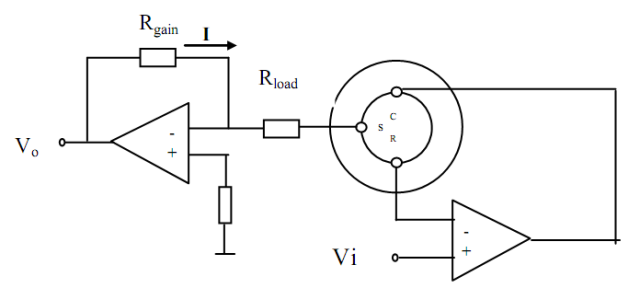
When ozone gas diffuses through the membrane and reaches the working electrode, it undergoes a reduction reaction, releasing electrons and generating a current. Simultaneously, a corresponding oxidation reaction occurs at the counter electrode. The magnitude of the current flowing between the working and counter electrodes is directly proportional to the ozone concentration in the surrounding atmosphere. This current is converted to a voltage signal via an external load resistor (5–30 Ω) or transimpedance amplifier circuit, enabling precise quantification of O₃ concentration from 0 to 500 ppm.
The reference electrode maintains a stable potential at the working electrode, ensuring consistent sensitivity and minimizing drift over the sensor's 2-year service life. Zero bias voltage operation reduces power consumption and simplifies interfacing with microcontroller-based acquisition systems.
3. Key Features & Competitive Advantages
A. Wide High-Concentration Range
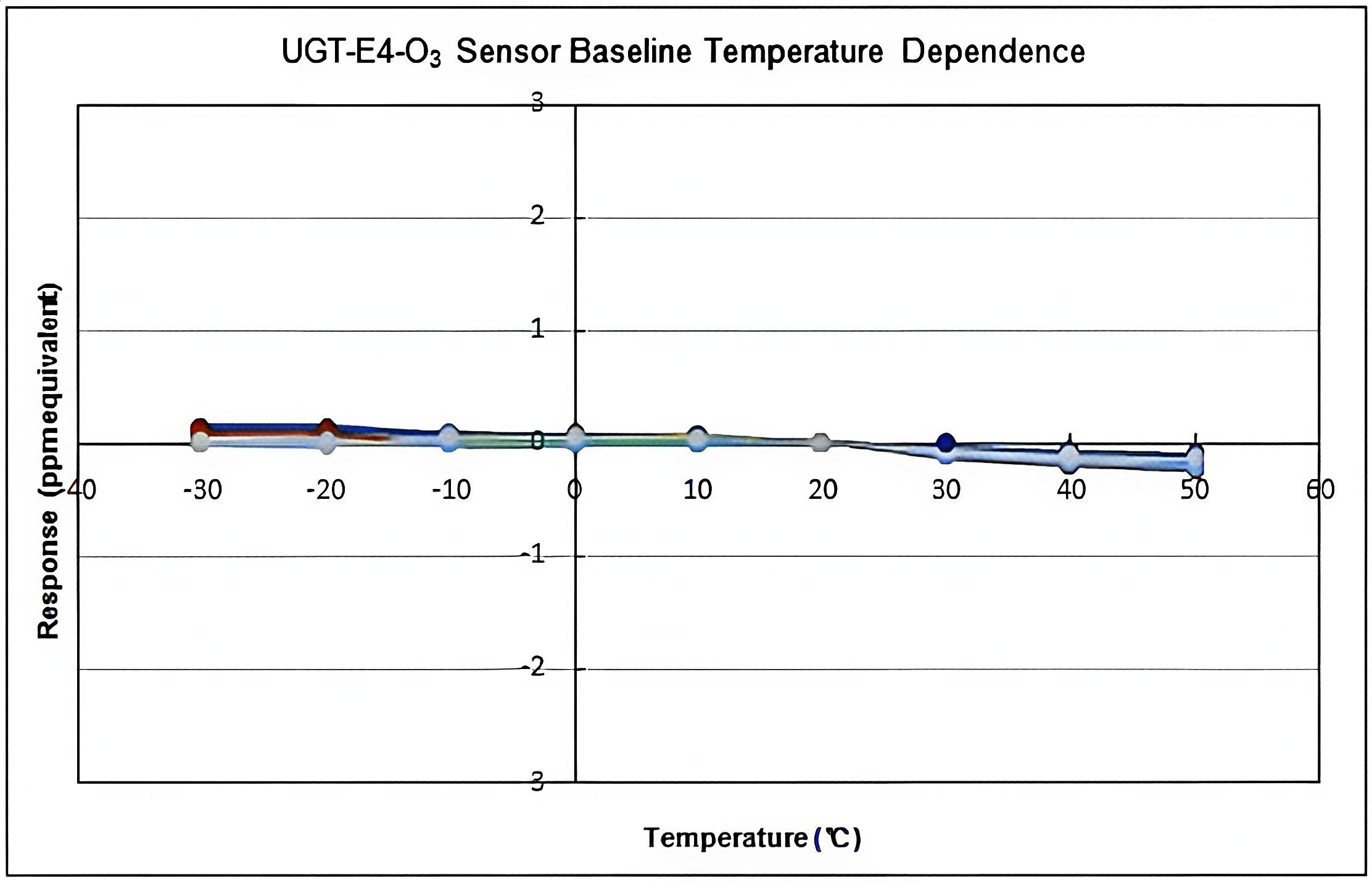
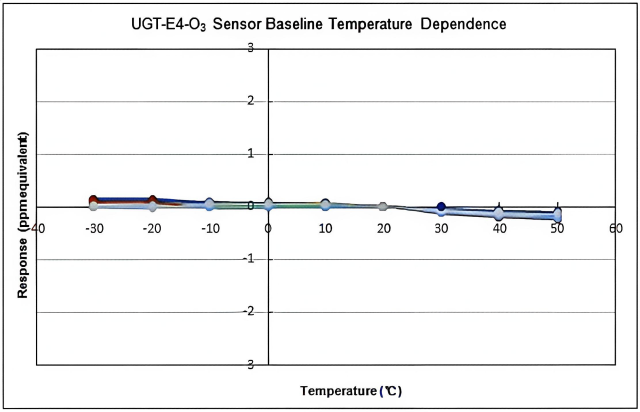
B. Excellent Baseline Temperature Stability
C. Excellent Selectivity
-
No response to CO (0 ppm), SO₂ (0 ppm), H₂ (0 ppm), NH₃ (0 ppm) and NO (0 ppm) — accurate ozone measurement in mixed-gas environments.
D. High Accuracy & Long Service Life
E. Fast Response, Quick Return to Zero
-
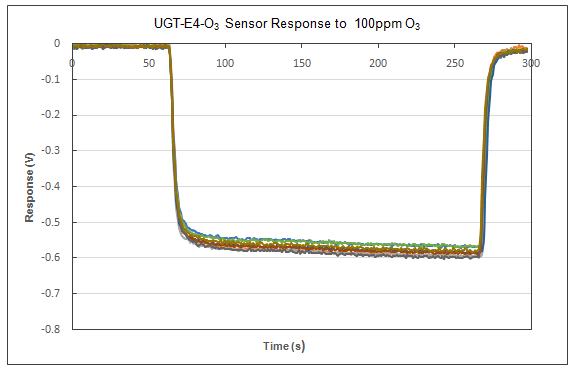
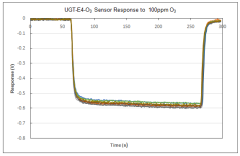
T90 < 60 s for rapid detection of ozone leaks and exposure events.
-
Quick recovery to baseline after gas exposure, enabling continuous monitoring cycles.
F. Low Power Consumption
G. Excellent Repeatability & Stability
-
Repeatability within 2% of output signal for consistent measurement precision.
-
Long-term stability <2% signal per month, reducing frequent recalibration requirements.
H. Compact Size, Cost-Effective
4. Technical Specifications
Note: Cross-sensitivity may vary by ±30%. Calibration with target gas is recommended. Avoid use in environments with high NO₂ or Cl₂ concentrations.
5. Applications
The GASSHIELD UGT-E4-O3 is engineered for versatile deployment across high-concentration ozone detection and process monitoring scenarios:
-
Industrial Ozone Generation: Concentration monitoring and control in high-output ozone generators.
-
Water Treatment: Ozone dosage monitoring in large-scale drinking water plants, wastewater treatment and industrial circulating water systems.
-
Semiconductor Manufacturing: Ozone monitoring in wafer cleaning and advanced oxidation processes.
-
Industrial Ozone Detection: Leak detection in high-concentration ozonation systems and chemical oxidation processes.
-
Pulp & Paper: Ozone bleaching process monitoring.
-
Food & Beverage: High-concentration ozone monitoring in food sterilization and preservation systems.
-
Chemical Processing: Ozone concentration measurement in synthesis and treatment processes.
-
Smart Municipal: Municipal water treatment ozone monitoring for smart city projects.
6. OEM Integration & Design Guidelines
To maximize design flexibility and ensure optimal sensor performance, the UGT-E4-O3 is supported by comprehensive integration resources and handling guidelines for equipment manufacturers.
-
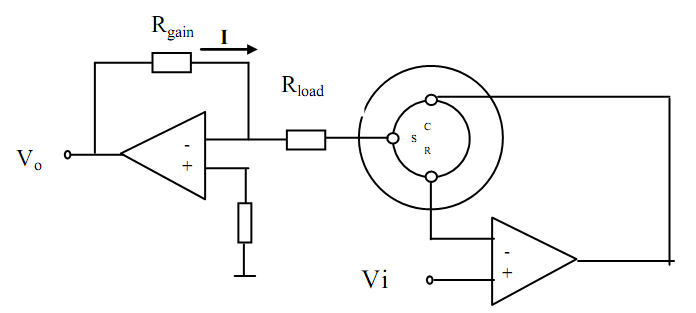
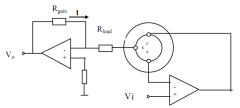
Basic Circuit Reference: Standard transimpedance amplifier circuit with R_gain and R_load provided for immediate PCB design integration. Compatible with 5–30 Ω load resistor configurations and zero-bias operation.
-
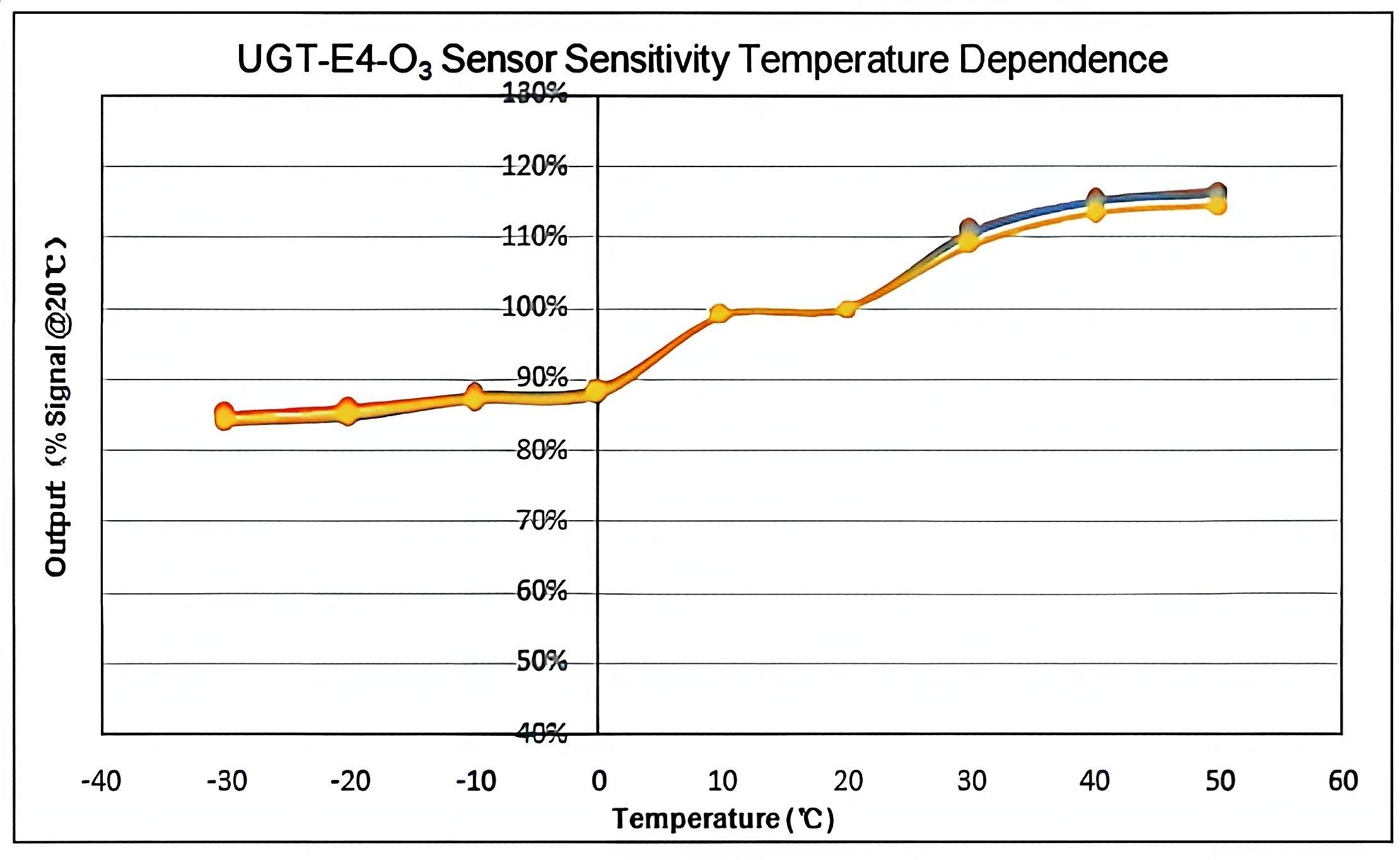
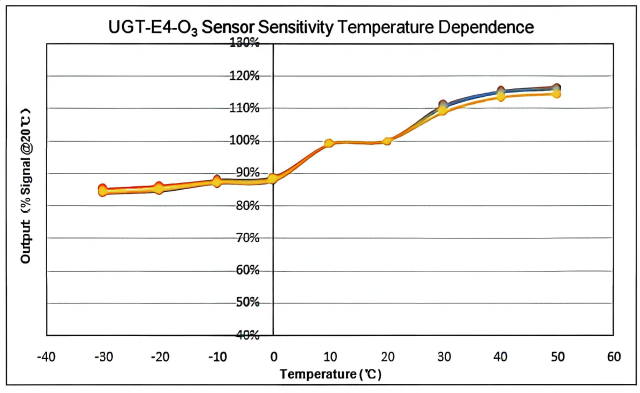
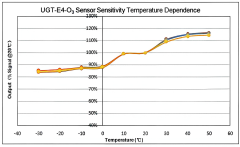
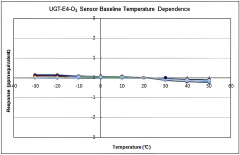
Temperature Compensation: Baseline output remains within approximately ±0.4 ppm equivalent across the full −30°C to +50°C range — among the best zero-stability profiles in the E4 series. Sensitivity varies from approximately 85% to 116% of the 20°C value across the same range, following a smooth, well-characterized curve. Minimal firmware compensation is required for most applications.
-
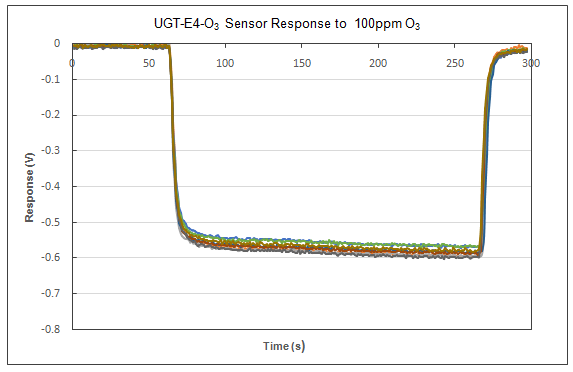
Response & Recovery Characterization: Verified response and recovery test data (100 ppm O₃) enables alarm threshold optimization and adaptive filtering in host firmware.
-
Handling Precautions:
-
Sensor pins must be connected via a PCB socket; soldering or pin bending will damage the sensor.
-
During storage, the working electrode and reference electrode should be kept short-circuited.
-
Avoid contact with organic solvents, alcohol, paints, oils, silicone adhesives, and high-concentration gases.
-
Calibrate and test with standard gas using air as the background gas; oxygen participation is required for the electrochemical reaction.
-
Avoid prolonged use in corrosive gas environments.
-
Non-standard testing methods (concentrated ammonia water, cigarette smoke, lighter gas, exhaled breath, alcohol vapors) will expose the sensor to damaging concentrations — always use target gas with air as the background.
-
Calibration Recommendation: Calibration with the target gas is recommended; cross-sensitivity may vary by ±30%. Calibration should be performed in clean atmosphere with stable, gentle gas flow to simulate a diffusion state.