1. Product Overview
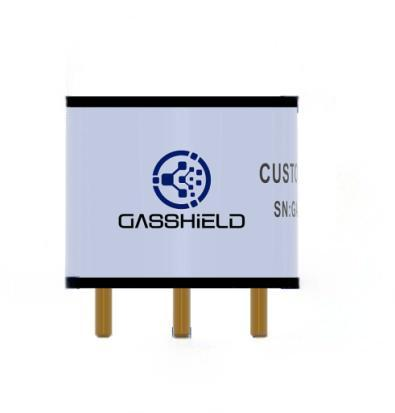
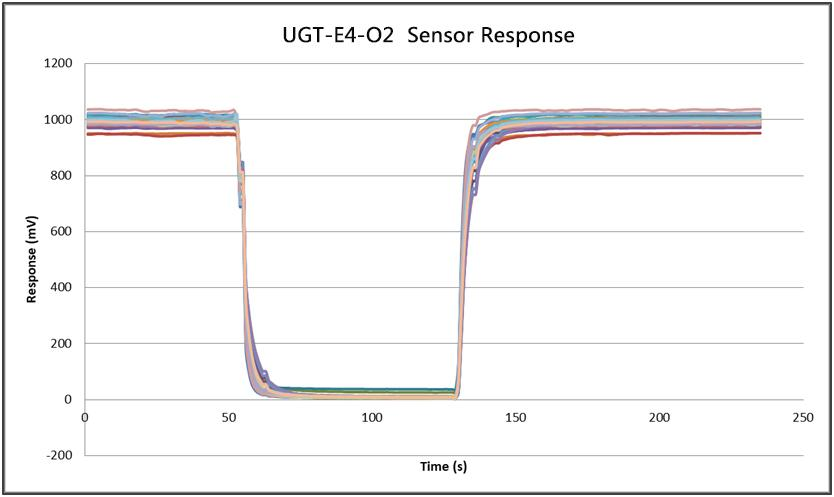
The GASSHIELD UGT-E4-O2 is a high-performance battery-type (galvanic cell) oxygen gas sensor designed for accurate and reliable detection of oxygen (O₂) in industrial, medical and environmental applications. The sensor delivers a detection range of 0–25% VOL with 0.1% VOL resolution and an output signal of 100 ± 20 μA in air. With rapid T90 < 20 s response time, excellent linearity (regression coefficient R² = 0.999), and long-term stability of <2% signal per month, the UGT-E4-O2 provides precise O₂ monitoring for safety-critical environments.
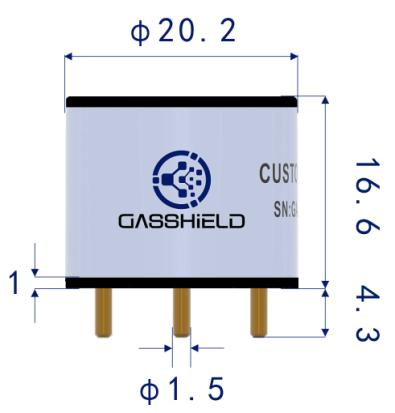
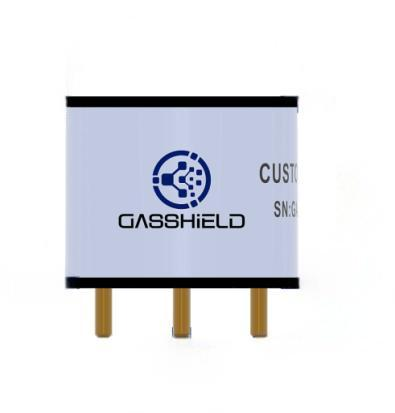
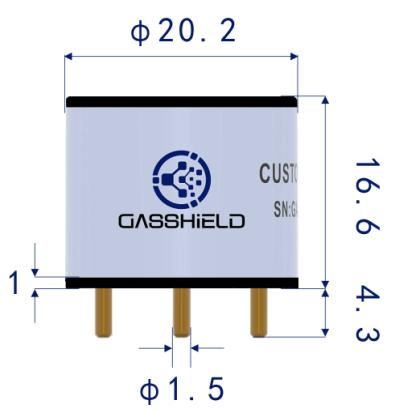
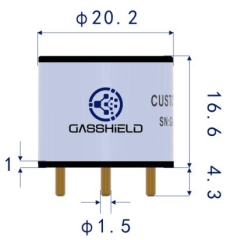
The self-powered galvanic design requires no external bias voltage and delivers a strong microamp-level output signal, simplifying circuit design integration. Housed in a compact Φ20.2 mm form factor (4.8 g), the UGT-E4-O2 is ideal for integration into portable gas detectors, oxygen deficiency monitors, confined space safety instruments, medical oxygen analyzers and industrial process control equipment.
2. Technical Principle
The UGT-E4-O2 employs a battery-type (galvanic cell) detection principle. The sensor cell consists of a working electrode (cathode) and an anode material immersed in an electrolyte solution.
When oxygen diffuses through the gas-permeable membrane and reaches the working electrode, it undergoes a reduction reaction, consuming electrons. Simultaneously, the anode material undergoes a corresponding oxidation reaction, releasing electrons. This spontaneous redox reaction generates a current whose magnitude is directly proportional to the oxygen concentration in the surrounding atmosphere. Because the cell is self-powered (no external excitation required), the sensor outputs 100 ± 20 μA in ambient air (20.9% O₂), enabling direct, accurate measurement from 0 to 25% VOL with a standard 100 Ω load resistor.
The galvanic design delivers high sensitivity, fast response and excellent repeatability over the sensor's 2–3 year service life in clean air.
3. Key Features & Competitive Advantages
A. Self-Powered Galvanic Design
B. Rapid Response
C. High Accuracy & Long Service Life
D. Strong Output Signal
E. Excellent Selectivity
F. Excellent Repeatability & Stability
-
Repeatability within ±2% of output signal for consistent measurement precision.
-
Long-term stability <2% signal per month, reducing frequent recalibration requirements.
G. Wide Range of Application Fields
-
Suitable for confined space safety, medical oxygen analysis, industrial process control, fire/rescue and environmental monitoring.
H. Compact Size, Cost-Effective
-
Φ20.2 mm compact form factor, only 4.8 g — ideal for portable and wearable instruments.
-
Cost-effective solution for OEM manufacturers developing oxygen detection products.
4. Technical Specifications
Note: Cross-sensitivity may vary by ±30%. Calibration with target gas is recommended.
5. Applications
The GASSHIELD UGT-E4-O2 is engineered for versatile deployment across oxygen detection and safety monitoring scenarios:
-
Instrumentation: Core sensing element for oxygen analyzers and detection instruments.
-
Confined Space Safety: Oxygen deficiency monitoring in tanks, vessels, manholes, tunnels and underground facilities.
-
Industrial Safety: Fixed and portable gas detection systems for worker protection in O₂-deficient or O₂-enriched atmospheres.
-
Medical & Healthcare: Oxygen analysis in medical devices, anesthesia monitoring and respiratory equipment.
-
Fire & Rescue: Oxygen level assessment for firefighters and emergency response teams.
-
Steel and Chemical Industry: Process monitoring in steel production, chemical synthesis and furnace operations.
-
Gas Leak Detection: Complementary O₂ monitoring in gas detection systems.
-
Air Purification: Oxygen monitoring in HVAC, clean rooms and controlled-atmosphere facilities.
-
Smart Municipal: Municipal safety monitoring for smart city projects.
6. OEM Integration & Design Guidelines
To maximize design flexibility and ensure optimal sensor performance, the UGT-E4-O2 is supported by comprehensive integration resources and handling guidelines for equipment manufacturers.
-
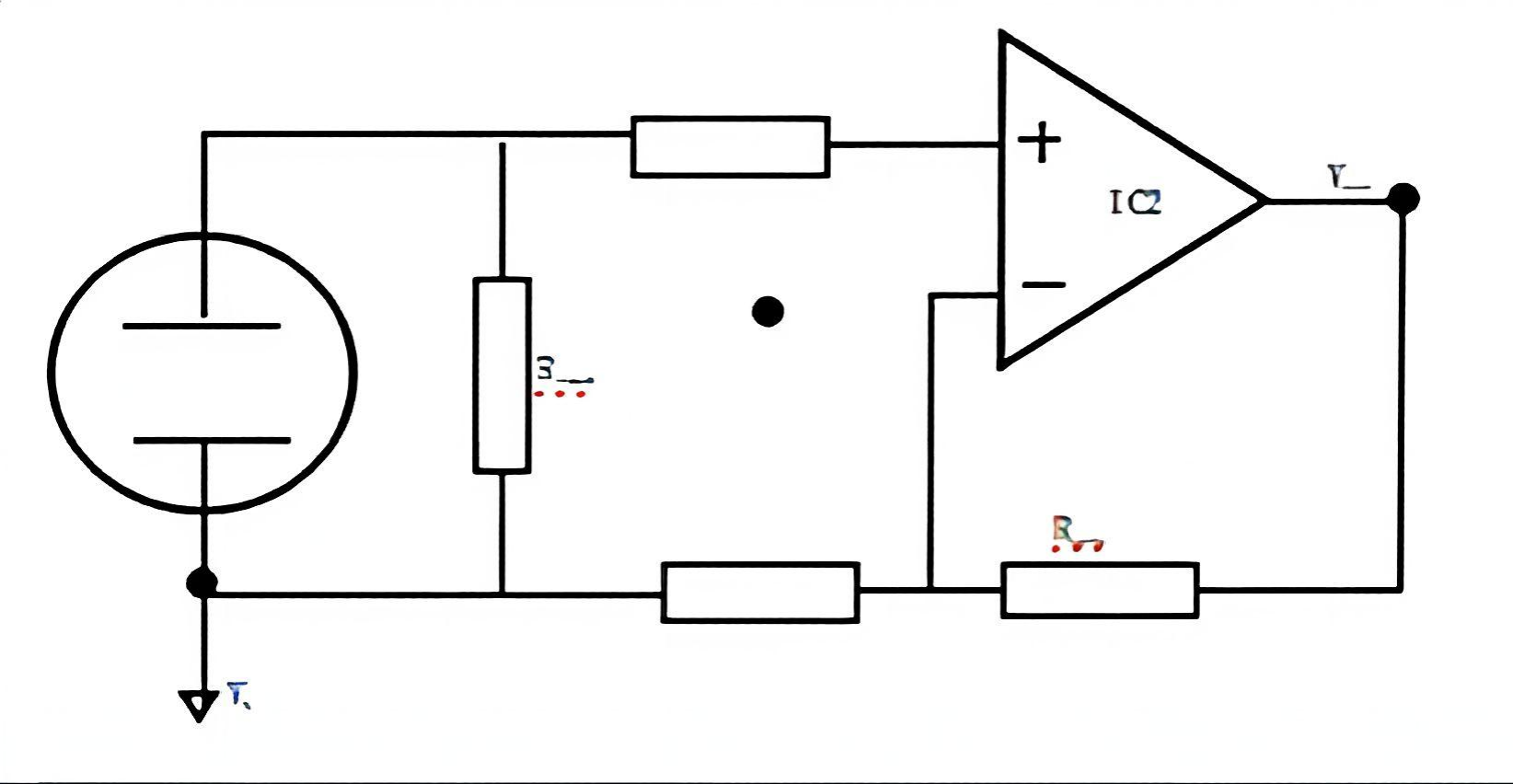
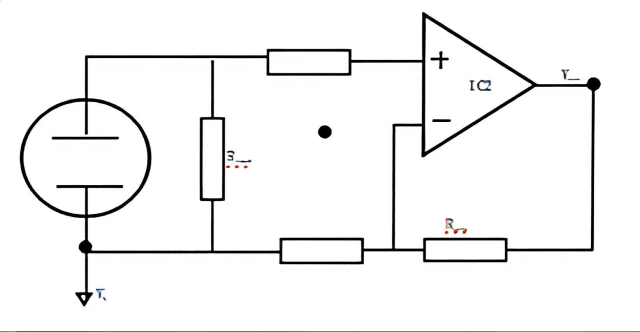
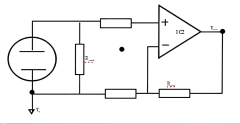
Recommended Circuit: Reference amplifier circuit provided for immediate PCB design integration. The sensor's self-powered 100 ± 20 μA output in air is designed for a 100 Ω load resistor — note this differs from the 5–30 Ω load of three-electrode E4 sensors, and the circuit topology is not interchangeable.
-
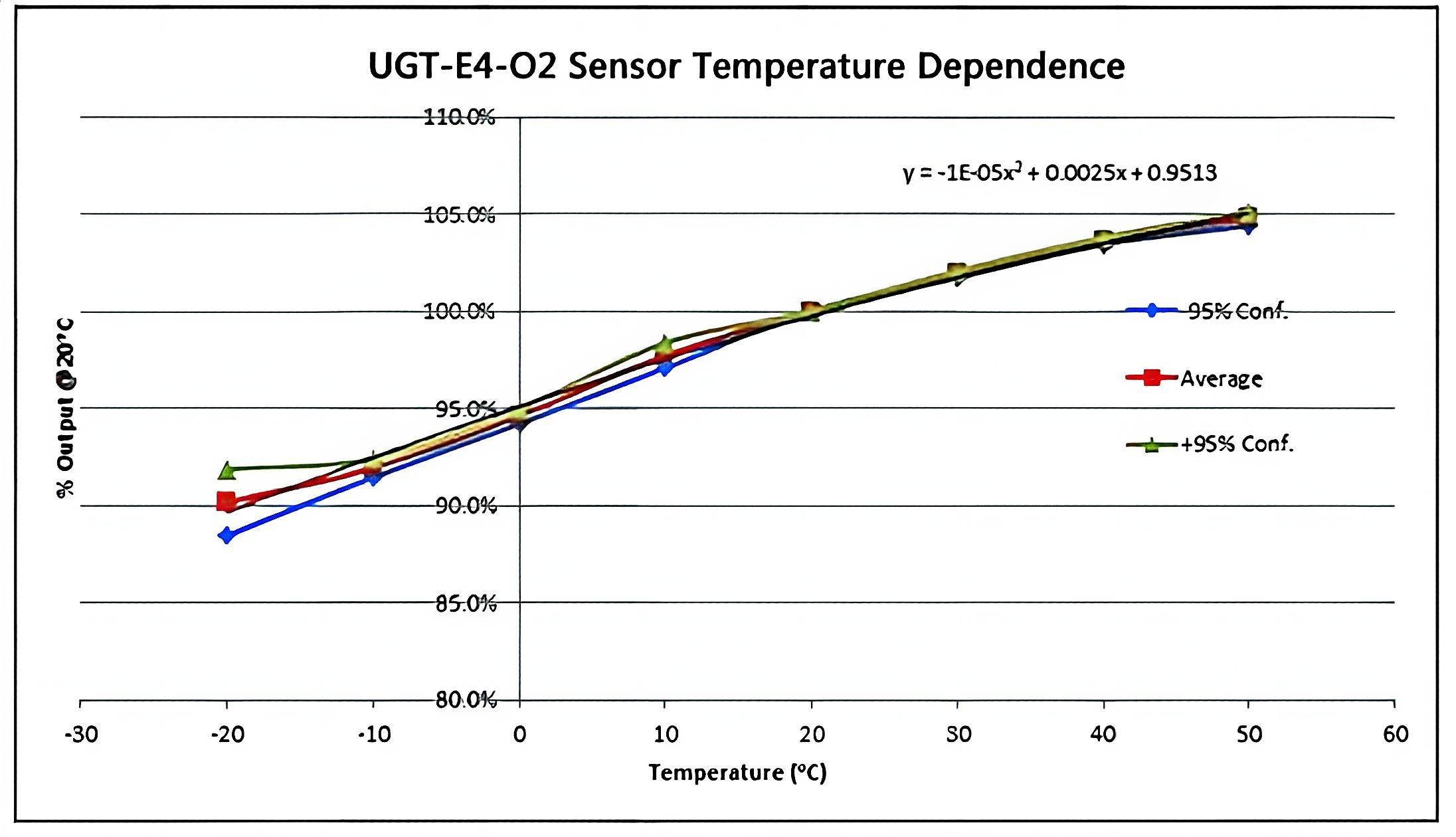
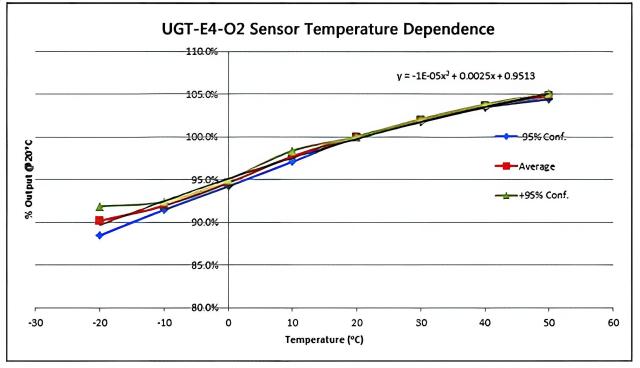
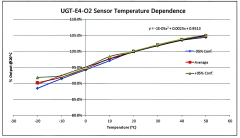
Temperature Compensation: Output varies from approximately 88% to 105% of the 20°C value across −20°C to +50°C, following a well-characterized polynomial curve (y = −1E-05x² + 0.0025x + 0.9513) — straightforward to implement in firmware for high-accuracy applications.
-
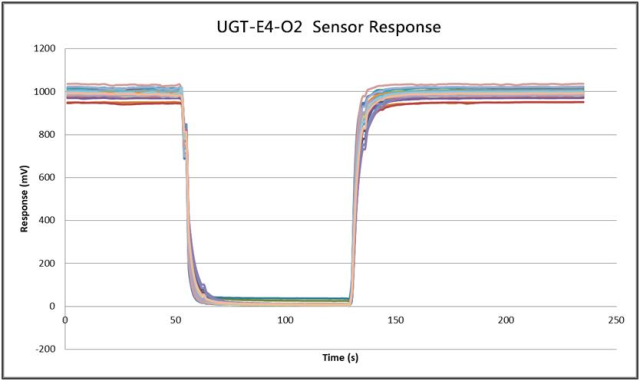
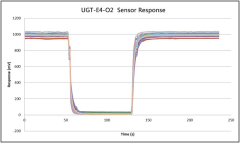
Response & Recovery Characterization: Verified response and recovery test data enables alarm threshold optimization and adaptive filtering in host firmware.
-
Handling Precautions:
-
Sensor pins must be connected via a PCB socket; soldering or pin bending will damage the sensor.
-
During storage, the working electrode and reference electrode should be kept short-circuited.
-
Avoid contact with organic solvents, alcohol, paints, oils, silicone adhesives, and high-concentration gases.
-
Calibrate and test with standard gas using air as the background gas.
-
Avoid prolonged use in corrosive gas environments.
-
Non-standard testing methods (concentrated ammonia water, cigarette smoke, lighter gas, exhaled breath, alcohol vapors) will expose the sensor to damaging concentrations — always use target gas with air as the background.
-
Calibration Recommendation: Calibration with the target gas is recommended; cross-sensitivity may vary by ±30%. Calibration should be performed in clean atmosphere with stable, gentle gas flow to simulate a diffusion state.