1. Product Overview
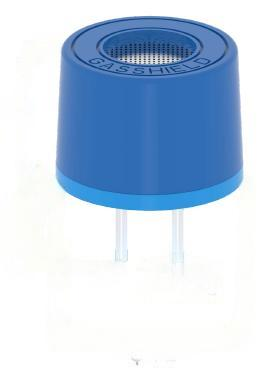
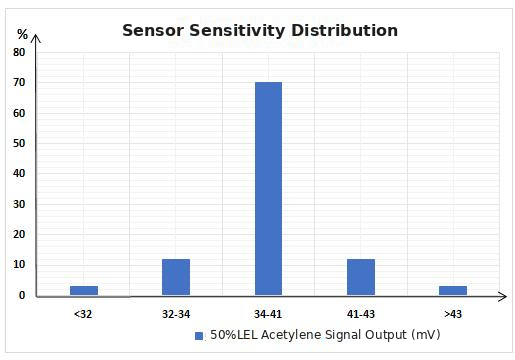
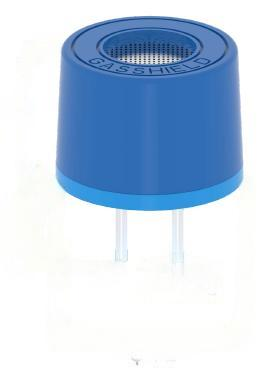
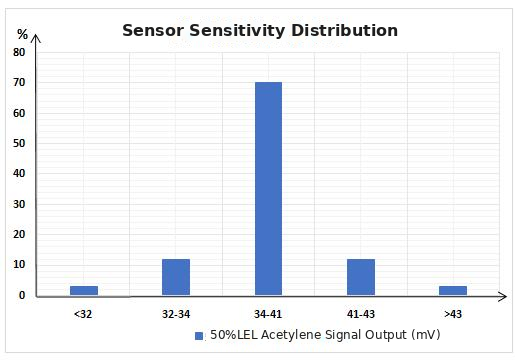
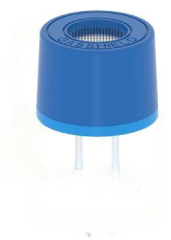
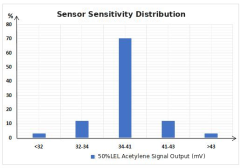
The GASSHIELD UGT-C5C is a high-performance catalytic combustion-type acetylene gas sensor designed for accurate and reliable detection of Acetylene (C₂H₂) in industrial and environmental applications. With a detection range of 0–100% LEL, output sensitivity of ≥32 mV at 50% LEL acetylene, and rapid T90 < 10 s response time, the UGT-C5C delivers fast, precise acetylene detection for safety-critical applications.
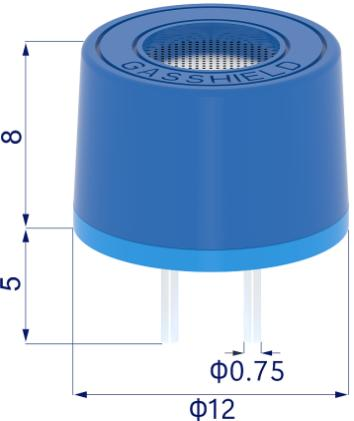
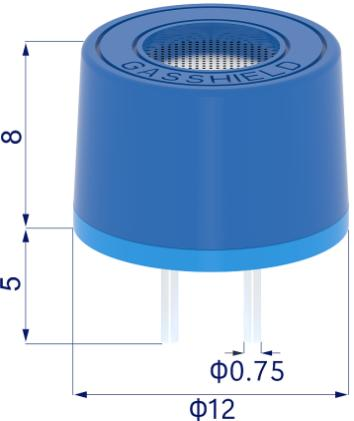
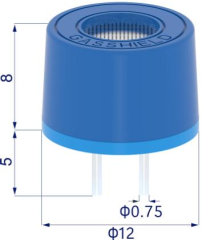
The sensor operates on the proven catalytic combustion principle with a Wheatstone bridge circuit, providing superior linearity (±3%), excellent repeatability and 5-year operating life in clean air. With strong vibration resistance, excellent poisoning resistance and stable output across −40°C to +70°C, the compact Φ12 mm UGT-C5C is ideal for integration into portable gas detectors, fixed gas alarm controllers, welding safety monitoring systems and industrial gas detection instruments.
2. Technical Principle
The UGT-C5C employs a catalytic combustion (pellistor) detection principle. The sensor consists of a matched pair of elements — a catalytic (detection) element and a reference (compensation) element — arranged in a Wheatstone bridge circuit.
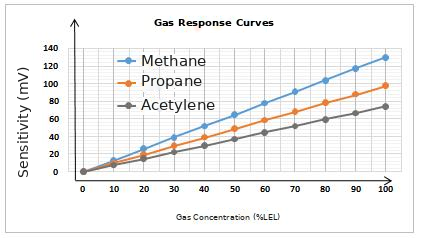
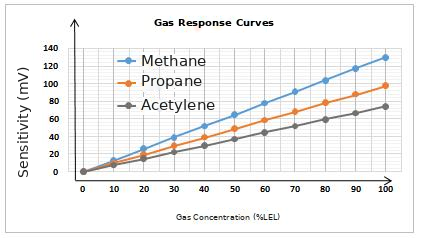
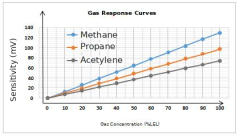
When acetylene gas diffuses into the sensor and contacts the catalytic element, it oxidizes on the heated catalyst surface, causing a rise in element temperature and resistance. The reference element, coated with inert material, remains unaffected by the gas, compensating for ambient temperature and humidity variations. The resulting resistance imbalance in the bridge generates a voltage output proportional to the gas concentration, delivering a linear response from 0 to 100% LEL.
The sensor exhibits excellent directional stability: when rotated 360° in the vertical direction, the output signal change is limited to ±0.5% LEL, ensuring consistent readings regardless of installation orientation.
3. Key Features & Competitive Advantages
A. Acetylene-Specific Optimization
-
Dedicated catalytic element formulation optimized for acetylene (C₂H₂) detection.
-
High sensitivity of ≥32 mV at 50% LEL acetylene with superior linearity (±3%, 60% LEL calibrated).
B. Fast Response & Recovery
-
T90 < 10 s at 50% LEL for rapid leak detection.
-
Recovery time of only 15 s, enabling continuous monitoring cycles.
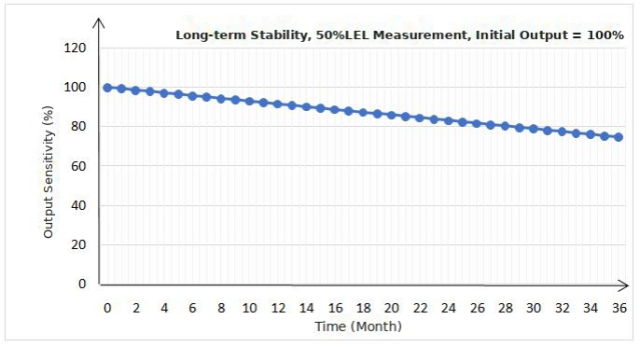
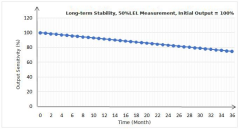
C. Good Long-Term Working Stability
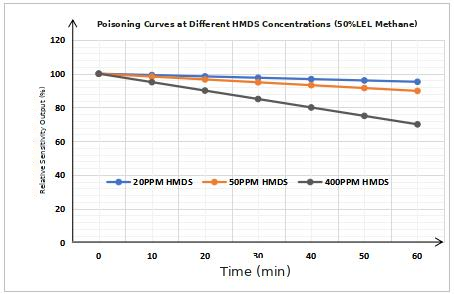
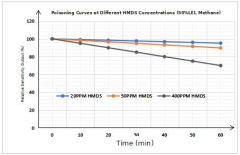
D. Excellent Poisoning Resistance
E. Strong Vibration Resistance
F. Excellent Repeatability
G. Wide Operating Environment
-
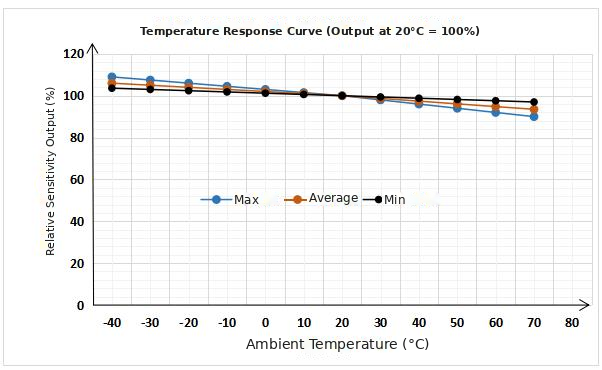
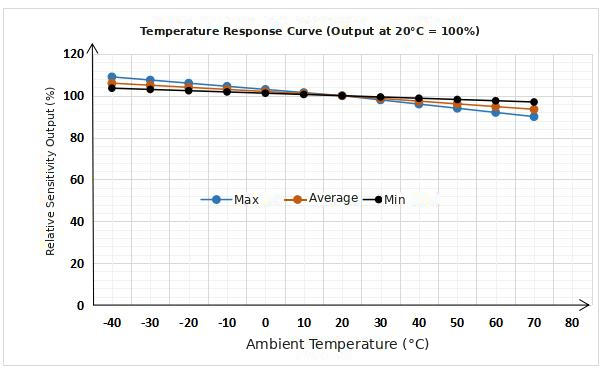
Operating temperature: −40°C to +70°C.
-
Continuous humidity: 15–90% RH (non-condensing); intermittent: 0–99% RH.
-
Low power consumption: <500 mW.
H. Compact Size, Cost-Effective
4. Technical Specifications
Relative Sensitivity to Common Gases (%): Acetylene 100 | Methane 175 | Propane 112 | Isobutane 108
Note: Relative sensitivity values may vary with production batch and test environment. Calibrate with the target gas before use. Example: calibrating a methane detector with 50% LEL acetylene standard gas yields a reading of 50 × (175÷100) = 87.5% LEL.
5. Applications
The GASSHIELD UGT-C5C is engineered for versatile deployment across acetylene detection and safety monitoring scenarios:
-
Welding & Metal Fabrication: Acetylene leak detection in welding workshops, cutting operations and gas cylinder storage areas.
-
Industrial Safety: Fixed and portable gas detection systems for chemical processing and industrial manufacturing facilities using acetylene.
-
Gas Leak Detection: Early warning systems for acetylene pipelines, storage tanks, distribution equipment and filling stations.
-
Petrochemical: Acetylene monitoring in chemical synthesis and petrochemical plants.
-
Mining & Tunnels: Combustible gas monitoring in underground operations where acetylene-based equipment is used.
-
Laboratory & Research: Gas detection in laboratories and research institutions using acetylene for flame analysis and instrumentation.
6. OEM Integration & Design Guidelines
To maximize design flexibility and ensure optimal sensor performance, the UGT-C5C is supported by comprehensive integration resources and handling guidelines for equipment manufacturers.
-
Basic Circuit Reference: Standard Wheatstone bridge circuit (Vin+/Vin− power input, Vout+/Vout− differential output) with recommended reference detection circuit provided for immediate PCB design integration. Operating voltage: DC 2.5 ± 0.1 V.
-
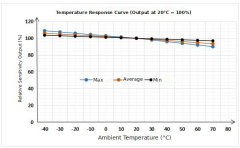
Temperature Compensation: See Section 5.2 for the temperature response curve (−40°C to +70°C, zero-compensated) to guide firmware compensation algorithms.
-
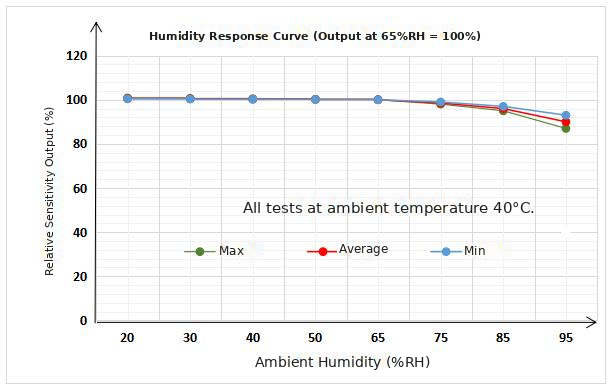
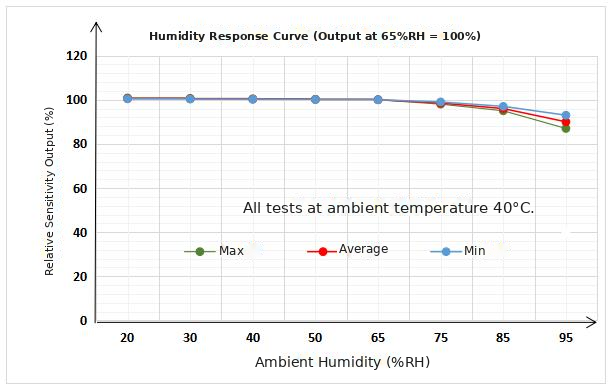
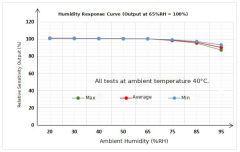
Humidity Compensation: See Section 5.3 for humidity response data (20–95% RH) for environmental robustness design.
-
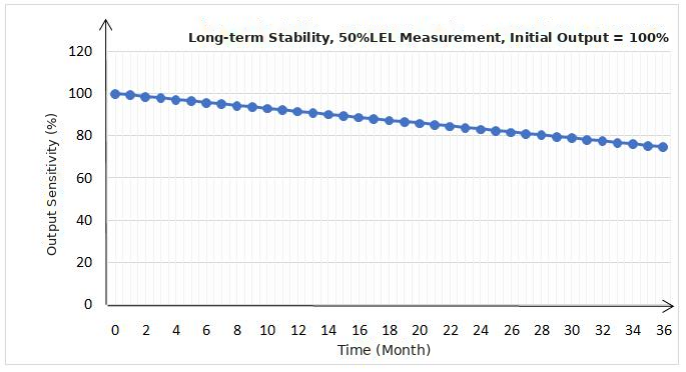
Response & Recovery Characterization: See Sections 5.1 and 5.6 for gas response and long-term drift data to optimize alarm thresholds and calibration intervals.
-
Gas-Specific Calibration: Use the Relative Sensitivity Table (Section 4) to convert readings between calibration gas and target gas: Detector reading = calibration gas concentration × (calibration gas coefficient ÷ target gas coefficient). Calibrate with the target gas before use; cross-sensitive gas calibration cannot guarantee measurement accuracy.
-
Handling Precautions:
-
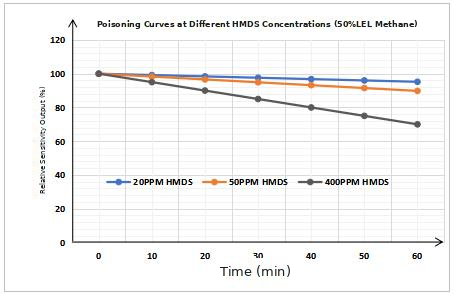
Avoid prolonged exposure to silicones, HMDS, lead compounds, sulfur compounds and other catalyst poisons.
-
Avoid contact with organic solvents, alcohol, paints and oils.
-
Do not exceed rated operating voltage/current to prevent catalyst damage.
-
Calibrate with standard gas in clean air background with stable, gentle gas flow.